Music.
Connection. Potential.
Welcome to
Music Therapy UP services
Music Therapy UP
provides music therapy services that aim to reach people with
a diverse range of strengths and needs to inspire responsiveness, resilience, rehabilitation and recovery.
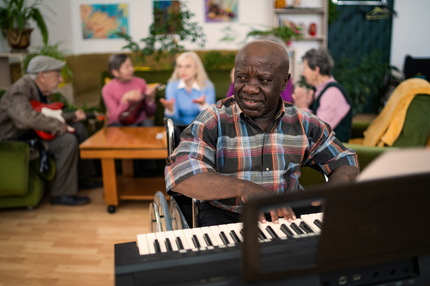
In-person/digital Music Therapy
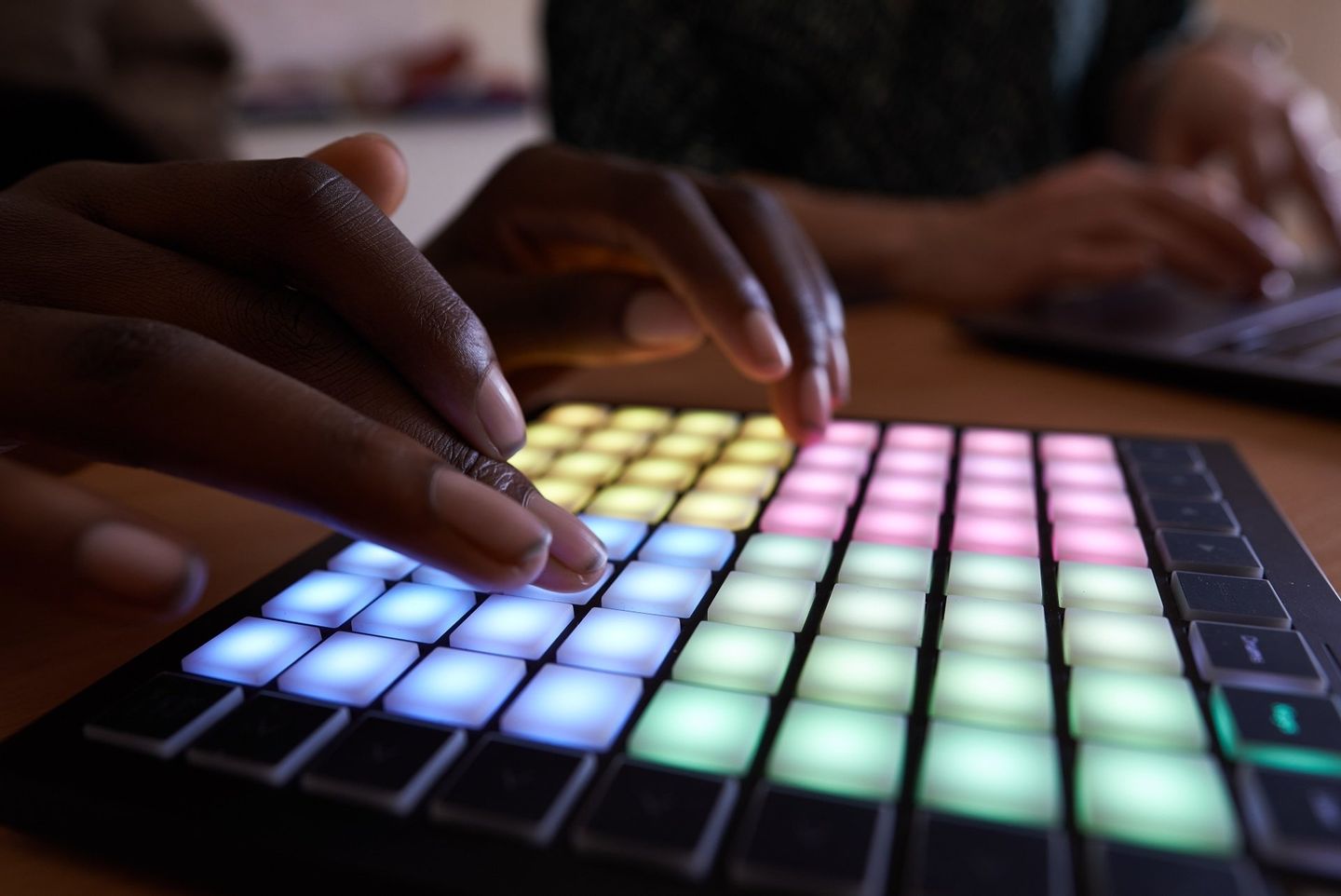
Active involvement, engagement and shared musical experiences can support a wide range of needs, including social connection, communication, confidence, emotional expression, emotional wellbeing and personal development.

NMT™ uses evidence-based music techniques to support movement, communication, cognition and emotional wellbeing.

Reflective supervision and mentoring provide a supportive space to explore clinical work, develop professional confidence, strengthen decision-making and sustain safe, thoughtful practice.
What is Music Therapy?
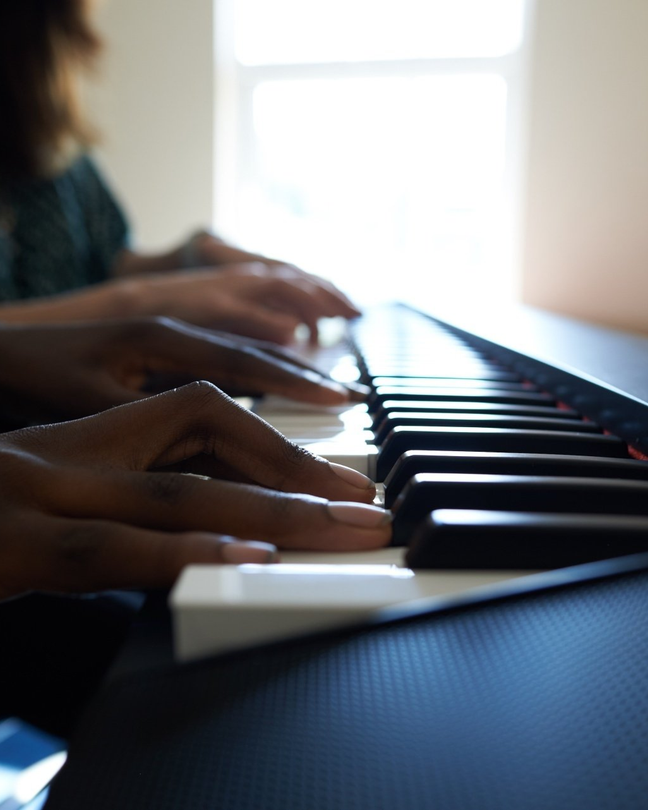
Music therapy is different from many other therapies because it harnesses the power of non-verbal communication. It is the use of instruments, voice and sound to create live improvisation, singing, composition, playing and music-making with a view to fostering understanding, offering acceptance, facilitating development and encouraging participation.
Through these therapeutic intentions, the adolescent or young person can achieve greater levels of resilience, further inform their identity, attain additional areas of competence and experience additional moments of connectedness.

What are the health benefits of music therapy?
Music therapy can encourage many positive outcomes including:
- encouraging creative thinking
- relaxing and escaping reality
- giving meaning to a personal experience
- increasing levels of connectedness
- offering an improved sense of hope, insight and self-worth
When adolescents experience more meaningful connections through music therapy, this can lead to endless therapeutic benefits and the chance to invoke change through creativity.
What is a music therapist?
A music therapist is an Allied Health Professional registered with the Health & Care Professions Council (HCPC).
Music therapists assess each person’s needs and use music to plan support around clear goals. They then review the work to see what progress has been made.
Some music therapists also complete extra training in Neurologic Music Therapy®.
This uses music in a structured way to support areas such as movement, communication, attention and memory.

Recent posts...